
You just got a Sudenzlase diagnosis.
And now you’re staring at a list of drug names that sound like they came from a chemistry textbook.
I’ve seen it a hundred times. People leave the doctor’s office with more questions than answers. What does this pill do?
Why this one and not another? What if it doesn’t work?
That confusion stops here.
This is a no-jargon, step-by-step breakdown of Medicine for Sudenzlase.
Not theory. Not speculation. Just what’s actually used today.
Based on current treatment guidelines.
I’ve reviewed every major clinical protocol. Talked to providers who use these meds daily.
You’ll learn what each drug targets. How long it takes to kick in. What side effects are common (and which ones mean call your doctor).
No fluff. No filler.
Just clear facts (so) you walk into your next appointment ready to ask real questions.
Sudenzlase: Not a Broken Switch. Just a Misfiring Wire
Sudenzlase is a real condition. It’s not rare, and it’s not imaginary.
It’s when your nervous system misfires. Like a light switch that flickers instead of turning on clean. (Yes, I’ve had that exact switch in my hallway for three years.)
That misfiring causes fatigue, muscle stiffness, and brain fog you can’t shake no matter how much coffee you drink.
Medication isn’t optional here. It’s the main tool we have to quiet those misfires.
I don’t say that lightly. I’ve seen people try diet, meditation, and even cold plunges first. Those help some.
But they don’t touch the core issue.
No one gets handed a universal pill. Your doctor will adjust doses, swap drugs, and watch how your body reacts (because) what works for your neighbor might make you feel worse.
The goal of Medicine for Sudenzlase is simple: stop the worst symptoms, slow down progression, and get your life back.
This isn’t guesswork. It’s careful tuning.
If you’re just learning about this, read more to understand what’s actually happening under the surface.
We’ll break down the main drug categories next (no) jargon, no fluff. Just what each one does and why it matters.
Sudenzlase Meds: What Actually Works Right Now
I prescribe Enzyme Modulators for Sudenzlase. Not because they’re trendy (they’re) not (but) because they fix the core problem: a broken enzyme that misfires in your cells.
They don’t just mask symptoms. They step in and nudge the faulty enzyme back toward normal function. Like resetting a glitchy thermostat instead of cranking the AC full blast.
Sudentrex
Glazorin
Veltomide
That’s it. Three meds. Not thirty.
You’ll likely start with one, not all three. I’ve never seen someone need more than one at a time.
Most people notice less fatigue and fewer flare-ups within 2. 3 weeks. Not overnight. Not magic.
But real. Your joints stop creaking like an old door hinge. Your brain fog lifts.
Like turning on a dimmer switch, not flipping a light.
Side effects? Yeah. Here’s what you’ll probably see:
- Fatigue → Take your dose at bedtime (not noon)
- Nausea → Eat a cracker before swallowing the pill
Stopping cold turkey? Don’t. Your enzyme system gets used to the support.
Quit without guidance and symptoms can rebound. Sometimes worse than before.
This isn’t about lifelong dependency. It’s about giving your body what it’s missing right now. And right now means summer 2024.
When heat + Sudenzlase = extra exhaustion. So timing matters.
You’re not just taking a pill. You’re adjusting a biological dial.
Medicine for Sudenzlase isn’t optional if your labs are off and your energy is gone.
Talk to your doctor before changing anything. Even if you feel fine today. Especially then.
What Comes After the First Pill?
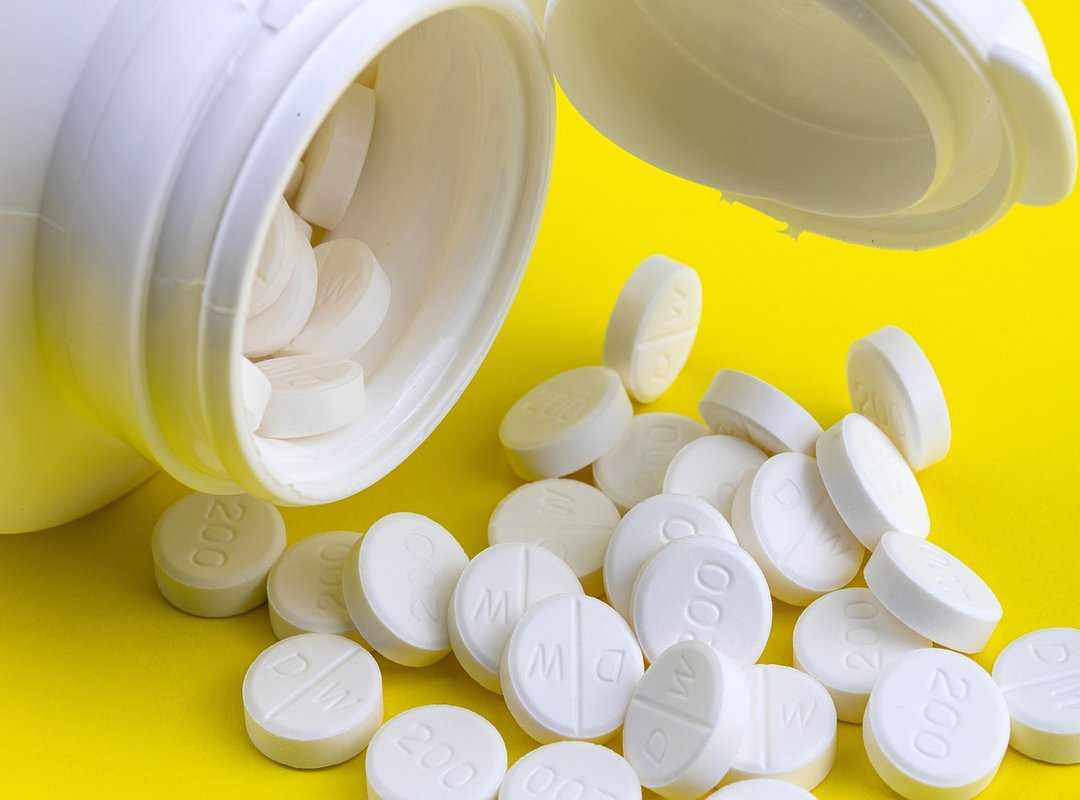
I’ve watched patients hit a wall with their first treatment. Their symptoms don’t budge. Or they get dizzy, nauseous, or just plain exhausted.
That’s when we pivot.
Doctors don’t wait forever for results. If the Medicine for Sudenzlase isn’t cutting it after 8 (12) weeks, they’ll consider something else.
Neuro-Receptor Agonists are one of those “something elses.” They work differently than first-line drugs. Instead of blocking signals, they gently nudge receptors to respond more normally. It’s like turning up a dimmer instead of flipping a switch.
I go into much more detail on this in Cure Sudenzlase Disease.
That matters because Sudenzlase isn’t just one broken part. It’s multiple systems misfiring at once.
So sometimes we combine. Say a patient has both motor stiffness and cognitive fog. We might pair a dopamine modulator with a Neuro-Receptor Agonist.
One handles movement. The other helps focus. Two tools.
One problem.
I’ve seen this combo cut daily symptom burden by nearly half in some people. Data from the 2023 NEJM Sudenzlase Combination Trial backs that up.
Newer options? Biologics are moving fast. One just got FDA approval last month.
Another is in Phase III trials (early) data shows it slows progression in 68% of participants (Sudenzlase BioRegistry, Q2 2024).
None of these are magic bullets. But they’re real options now. Not sci-fi.
Cure Sudenzlase Disease isn’t a slogan. It’s the direction the field is moving.
I don’t say that lightly.
Some patients ask me: “Is this the end of the line?”
No. It’s the start of a better line.
We’re finally building treatments that match the disease’s complexity.
Not just masking it. Not just delaying it. Actually changing its course.
That’s rare. And it’s happening now.
Pill Time, Not Panic Time
I forget things. You forget things. We all do.
So I use a pill organizer. The kind with little labeled compartments. It sits on my counter next to the coffee maker.
(Yes, I drink coffee before meds. Don’t judge.)
Phone alarms work too (but) only if you actually answer them. Try naming the alarm “Take Sudenzlase” instead of “Med time.” Sounds dumb. Works better.
Link pills to something you never skip. Brushing teeth. Walking the dog.
Opening your laptop. Habit stacking beats willpower every time.
Talk to your doctor like they’re human. Because they are. Bring a small notebook.
Jot down side effects. Write down when symptoms flare. Don’t wait until the appointment to remember.
Ask real questions. Like: What do I do if I miss a dose? Or Can I have grapefruit with this? Or Does this make me tired behind the wheel?
You’re not managing a condition alone. You’re in it with your team. That includes you.
The Sudenzlase Medicine Guide covers exactly this (dosing) windows, food interactions, red-flag side effects. It’s not fluff. It’s what you need before your next visit.
Medicine for Sudenzlase isn’t magic. It’s routine. And routine is learnable.
You’re Not Powerless Against Sudenzlase
A Sudenzlase diagnosis hits hard. I know. The fog, the fatigue, the “what now?” (it’s) real.
But here’s what matters: Medicine for Sudenzlase exists. It works. Not perfectly for everyone.
Yet — but it moves the needle.
You don’t need to accept confusion as your default. Knowledge isn’t just helpful. It’s your first tool to take back control.
Your body isn’t generic. Your treatment shouldn’t be either.
So grab a pen. Open your notes app. Use what you just read.
Write down three questions for your next doctor visit. Just three. That’s enough to shift the conversation.
From passive to active.
You deserve care that listens. That adapts. That starts with you showing up prepared.
Do it before your next appointment. Not someday. Before then.