
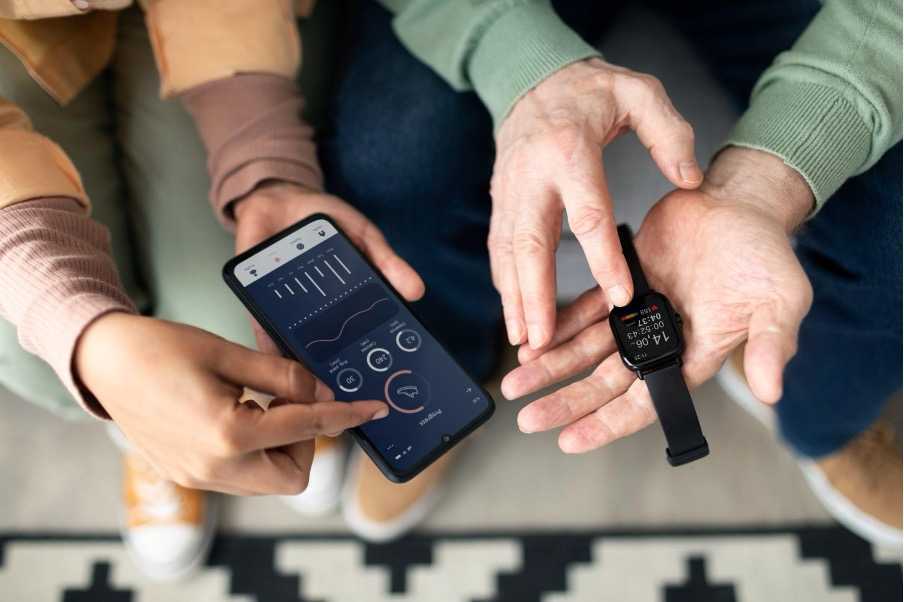
Since the invention of the first wristwatch in 1810, watches have revolutionized how we see and work with time. However, keeping us on time is now only one of the multiple functions that watches provide. This is due to the advent of the smartwatch, first created in 1972 and modernized in 1992 with the inclusion of pulse and blood pressure monitors.
Today, smartwatches fulfill many tasks. From counting our steps and heart rate to acting as a remote control for our audio devices or as a wallet due to NFC capabilities, modern smartwatches seem capable of doing it all.
One of the most significant things these watches achieve is the gamification of health. By turning health into an adventure and an enjoyable experience, these watches are encouraging users to get off the couch and onto their feet—and it’s working.
Gamification Methods
Gamification is spreading into all sorts of markets. Online retailers now offer rewards or discounts based on wheel spins, while even social media platforms allow you to start streaks with friends. Smartwatches are using this same methodology to motivate users to take action.
Whether it is through brightly colored rings that entice you to close them, streaks you have built and don’t want broken, or trophies and badges you would like to proudly showcase on your profile, modern smartwatches and fitness apps have it all.
While bright colors, detailed badges, and great visuals are offered as rewards, the structure of gamification is much simpler and follows a clear plan.
Sets Clear and Attainable Goals
Gamification sets clear goals for users to identify from the outset. Whether it is closing a circle or jogging for 30 minutes, gamification brings a sense of simplicity to achievements. Do A, and you will be rewarded with B.
Provides Instant Rewards or Feedback
Once these clear goals are met, gamification provides immediate feedback and rewards. From a badge appearing instantly on your profile after your first workout session to a flaming streak number updating each day you reach your step target, rewards are designed to play on our human desire for instant gratification.
Progress and Achievement Systems
Another significant way gamification makes healthy behavior more desirable is through tracking both progress and achievements. By highlighting where we started and where we are now, these systems reinforce that meaningful progress happens through small, consistent steps.
Social Competition
The final way gamification operates is by playing into our innate competitiveness. By creating leaderboards and shared achievements, these systems let us compare our progress against friends and strangers. This encourages healthy competition by driving users to achieve equal or better results.
These elements of gamification do not replace the benefit of getting healthy or exercising. Instead, they make these activities more engaging and enjoyable. Whether it is through moving more, sleeping for longer, checking up on our mental well-being, or just taking time to breathe, each action benefits us physically and mentally, and the gamification aspect makes it fun.
Gamification Psychology
Despite each gamification method having a particular purpose and strategy to get people moving, there is more to it than that. Psychology also plays a major role in it, as gamified systems play on human psychology to ensure that these methods are effective.
The Happiness Factor
Key to the strategy of providing rewards for goals, such as closing a ring when walking for an hour, is the psychology behind what achieving that goal does for us. When closing a ring or receiving a badge, our brains release additional dopamine, making us feel happy, accomplished, and content.
Even if it is only a small dopamine boost from a modest achievement, we tend to crave these dopamine-driven moments. As such, we immediately begin seeking the next achievement or goal to reach so that we can unlock another reward and gain that feeling again.
Accountability
Although the term “loss aversion effect” is more commonly used in relation to iGaming and players claiming an offer like a Starcasino code to play online, the term also applies to things like health gamification. In particular, this psychological effect is triggered through streaks or continuous, unbroken rewards that hold the threat of resetting.
Because we naturally want to avoid losing the achievements or progress we have already made, we are more willing to push further or try harder to reach the next step. This loss aversion effect is utilized by smartwatches to hold us accountable and encourage us to reach the next step, lest we the progress we’ve already made.
Personalization
Although early smartwatches were somewhat limited in their ability to be customized to each user, modern alternatives offer a wide range of personalization options. Chief among these is individualized goals and targets, which use gamification foundations to carefully construct individualized and attainable benchmarks.
This personalization makes each user feel more enthusiastic and optimistic about their ability to reach these goals, encouraging them to try. Rather than someone who has never run needing to reach 15,000 steps overnight, these also allow new users to ease into healthier habits without giving their bodies a shock with an intense workout regimen right off the bat.
Value-Driven Rewards
The last psychological factor that gamification plays on is the innate desire to feel valued. Although in-app rewards and profile badges have no real monetary value, they help users feel as though their efforts are noticed and valued.
Key to this is the way in which rewards are often used to enforce identity. By rewarding healthy behavior, users feel like their actions are being valued and that they are seen as someone who fulfills a requirement. For instance, hitting a 15-day walking streak can make a person identify as someone who actively walks. Dropping a habit linked to identity is difficult and encourages ongoing participation.
Conclusion
Although the technology behind smartwatches has become increasingly intelligent, it is the use of gamification to encourage healthy behavior and exercise that is the true mark of genius. By using simple gamification methods and playing on psychological truths, smartwatch manufacturers encourage healthier living, more active lifestyles, and the continued pursuit of better performance metrics.
All of this is gradually shaping the culture of the current generation, with a greater focus on health, exercise, and wellbeing. Considering WHO estimates show that 31% of adults do not exercise enough, this is a shift that is not only positive, but also necessary for the future.