
Smarter, More Predictive Wearables
Step counts are old news. What’s rising in 2026 is a different kind of wearable a quieter, smarter presence that tracks your health in ways that actually matter. These devices don’t just follow your footsteps; they monitor hydration, stress levels, sleep recovery, and even glucose all in real time.
Built in AI systems use long term biometric data to flag potential problems before you notice them. Imagine getting a subtle nudge when your hydration dips or a warning when stress patterns start mimicking those that led to your last burnout.
This shift in wearables is less about fitness for fitness’s sake and more about total body awareness. Health isn’t just a workout stat anymore it’s a feedback loop. For a look at what laid the groundwork, check out the milestones from Wellness in 2025.
Personalized Wellness Ecosystems
The days of generic health advice are over. In 2026, wellness tech is growing up and getting personal. We’re talking about hyper customized recommendations built around your DNA, your habits, and even your environment. Devices now factor in personal baselines, not population averages. It’s not just about counting steps or tracking sleep it’s about understanding why your body reacts the way it does, and adjusting accordingly.
Here’s where it gets real: your smart scale, fitness tracker, and even your lighting system are talking to each other. They’re syncing data to figure out when your energy dips, how your gut reacts to stress, or what type of workout actually improves your mood. Mental health platforms are also in the loop helping you build a schedule or redirect your habits before you spiral.
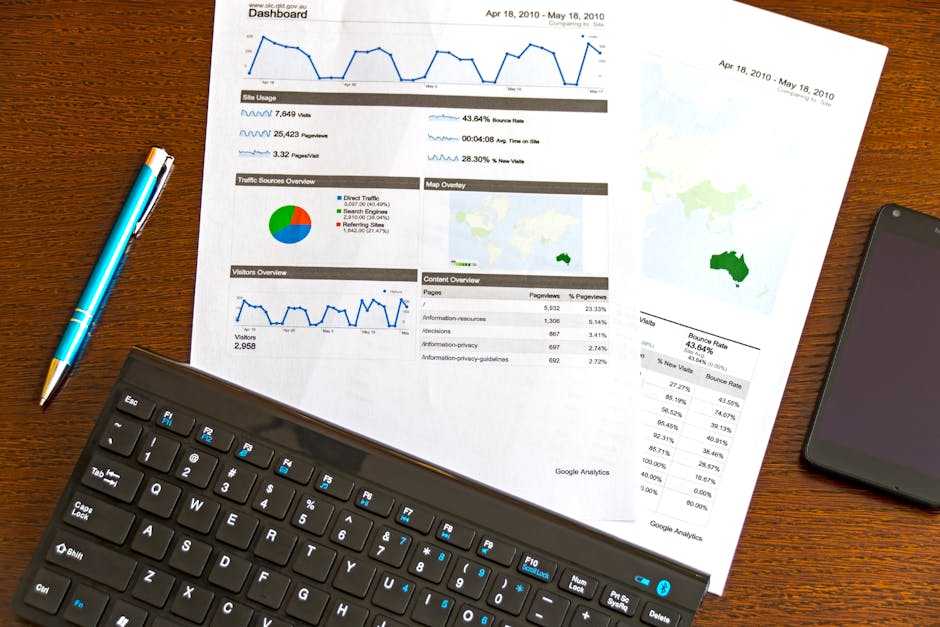
All of this data, once scattered across apps and devices, now lands in one clean, centralized dashboard. Think a single screen showing your hydration, blood glucose trends, sleep cycles, mood, and microbiome status. It’s not just convenience it’s about seeing the full picture, in context, in real time. For consumers, this means the tech finally works with you, not just on you.
Mental Health Gets a Digital Upgrade
Wellness tech is finally catching up to mental health. In 2026, it’s not just about tracking steps or logging sleep it’s about tuning into how you feel, in real time. Devices can now read emotional cues from your voice tone, micro expressions, and even heart rate variability. It’s low key surveillance, but in service of better self awareness.
Need help on demand? Slip on a headset. AR and VR therapy platforms are moving beyond novelty to become quick access escape hatches guided meditations that adapt to your emotional state, or immersive environments that reduce anxiety in minutes. These aren’t replacements for real therapists, but they do fill a gap when time or access is limited.
Then there are the micro interventions. Bite sized support scattered throughout your day. An AI guided breathing exercise at 2 p.m. A screen time nudge when your stress biomarkers spike. It’s frictionless, nearly invisible wellness that works quietly in the background. For a world where burnout is constant, these nudges are the new baseline.
Preventative Care, Not Just Performance Data
In 2026, wellness technology is embracing a new mission: keeping people healthy before they ever get sick. The shift from reactive to proactive care is already underway, and the tools are getting smarter, more integrated, and more personalized.
Early Detection Comes Standard
We’re entering an era where tech doesn’t just tell you what happened it tells you what could happen.
Wearables now track subtle deviations in baseline health metrics
AI powered alerts flag concerns before symptoms emerge
Early detection of conditions like sleep apnea, heart irregularities, and respiratory issues
This kind of predictive insight reduces the chance of late stage diagnosis and empowers users to make informed lifestyle adjustments before intervention is necessary.
Rethinking Chronic Illness Management
Chronic conditions like diabetes and hypertension are being redefined by real time feedback tools. Gone are the days of managing based on occasional checkups or manual tracking.
Smart devices provide custom prompts based on glucose trends, blood pressure shifts, and heart health flags
Continuous monitoring reduces guesswork and increases peace of mind
Personalized recommendations adapt throughout the day, based on real time data
These advances give individuals more control over their health path without a PhD in medicine.
Direct Links to Healthcare Providers
For wellness tech to truly transform care, integration with healthcare systems is crucial. That’s where FDA compatible wearables step in.
Devices now meet medical grade standards, enabling data to be used in clinical decisions
Secure transmission of data to healthcare providers ensures timely intervention
Physicians can monitor trends remotely and adjust care plans accordingly
This connected model means no more saving your concerns for your next doctor’s appointment your wearable may already have flagged them.
2026 Vision: Prevention is power. When your health tech works ahead of the problem, you stop reacting and start living proactively.
Seamless Integration Across Devices
It’s finally happening: your devices are learning how to talk to each other. The smartwatch tracking your sleep, the scale measuring your morning weight, the menstrual tracker logging your cycle, and even your fridge suggesting what to eat next all feeding data into a single, smarter loop.
This kind of centralized wellness sync isn’t just about convenience. It’s about making better decisions without needing ten apps open at once. Real time coaching makes a lot more sense when it has the full picture: your stress is up, your sleep was short, calcium is down, and your lunch is half protein. Bam contextual advice that knows where you’re at, not just where you should be.
The result? Truly intelligent digital health companions. Less screen time, more signal. They don’t just track they coach, nudge, and adapt. We’re moving past fragmented fitness toward integrated wellness, where the tech works behind the scenes to help you make smarter choices in real life.
Looking Back to Look Forward
As wellness technology pushes ahead, it’s essential to understand the breakthroughs that paved the way. 2025 wasn’t just about novelty it was about laying the groundwork for a smarter, more integrated approach to health tech in 2026.
Key Milestones from 2025
Before diving into 2026’s innovations, let’s reflect on the strides made last year:
Smarter Sensors: Wearables in 2025 began collecting broader health signals temperature, hydration, even mood indicators expanding the scope of personal health insights.
Interconnected Devices: Multiple tools started syncing more seamlessly, setting the foundation for 2026’s fully integrated wellness ecosystems.
Mental Wellness Tech: Apps and trackers introduced built in mood journaling, voice analysis, and passive emotional monitoring.
Why 2025 Matters in 2026
The advances made in 2025 weren’t isolated they were iterative. Here’s how they’re shaping the tech of 2026:
Machine Learning Applications: Datasets collected in 2025 are now fueling more accurate predictive models across wearables and health platforms.
User Habits & UX Modeling: Early feedback mechanisms are evolving into smarter, more intuitive wellness interfaces.
Cross Platform Wellness: What began as isolated app features are becoming full scale, personalized health operating systems.
For a deeper look at how 2025 shaped the present, revisit: Wellness in 2025
Bottom Line: 2026 Isn’t Just an Upgrade
This isn’t about shinier gadgets or faster processors. Wellness tech in 2026 is shifting toward something quieter tech that fades into the background while tuning into you. The goal isn’t more data, it’s smarter action. Devices now respond in real time, stepping in with a nudge before burnout hits, or adjusting your sleep environment without you lifting a finger.
Forget dashboards full of numbers you never check. Future forward tools will blend into your life, not pile onto it. Think subtle adjustments, seamless syncing, and guidance that’s actually useful, all rooted in human centered design. You won’t need to log, toggle, or troubleshoot. It’ll just work better for your body, your mind, and your day to day flow.
What’s coming isn’t futuristic. It’s finally functional. And it’ll feel less like tech and more like intuition you can trust.